

History
A tour of our streets
HISTORY OF SANTA MARTA
Santa Marta, founded by Spaniard Rodrigo de Bastidas in 1525, is the oldest city in Colombia and the second oldest in South America. It is also the place where Simón de Bolívar took his last breath. Santa Marta has a population of approximately 570,000 and is located between the Caribbean Sea and the Sierra Nevada Mountains. Although it was founded by Spain, Santa Marta was already home to an indigenous population called the Wayúu, with a distinctive culture and language. They still inhabit the region and are recognized by their distinctive posture, dark skin, and traditional white capes and hats.
Notable attractions include the famous Tayrona Park Nature Reserve, the Lost City, Taganga, Rodadero Sea, Minca, the Historic Center, Parque de los Novios, Plaza de Bolívar, Playa Blanca, the Santa Marta Aquarium and zip line, and Santa Marta Bay. Due to Santa Marta's Spanish founding, numerous Spanish-style churches, such as the Cathedral Basilica, are found throughout the city. The port of Santa Marta is one of Colombia's busiest seaports, welcoming over 800,000 tourists annually.
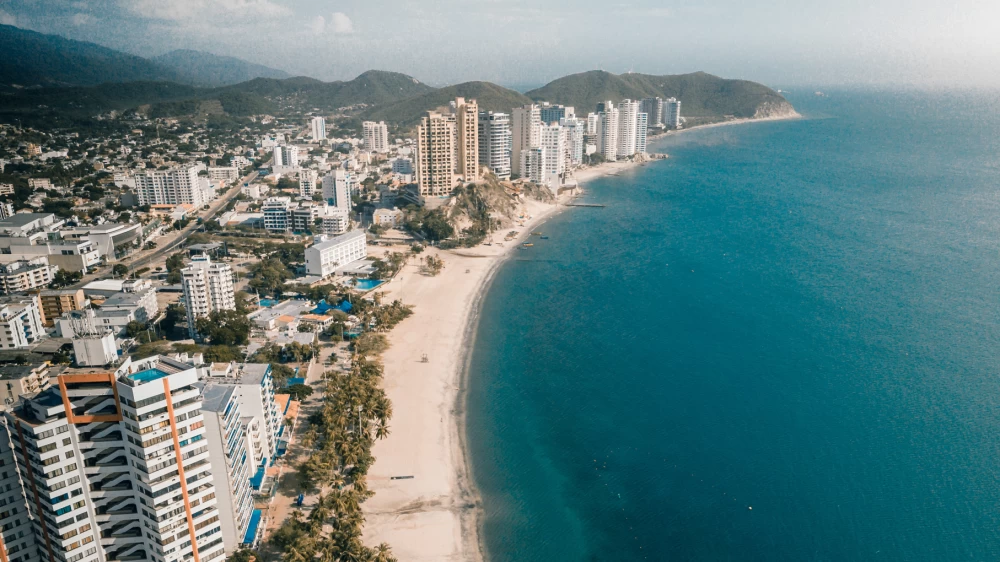
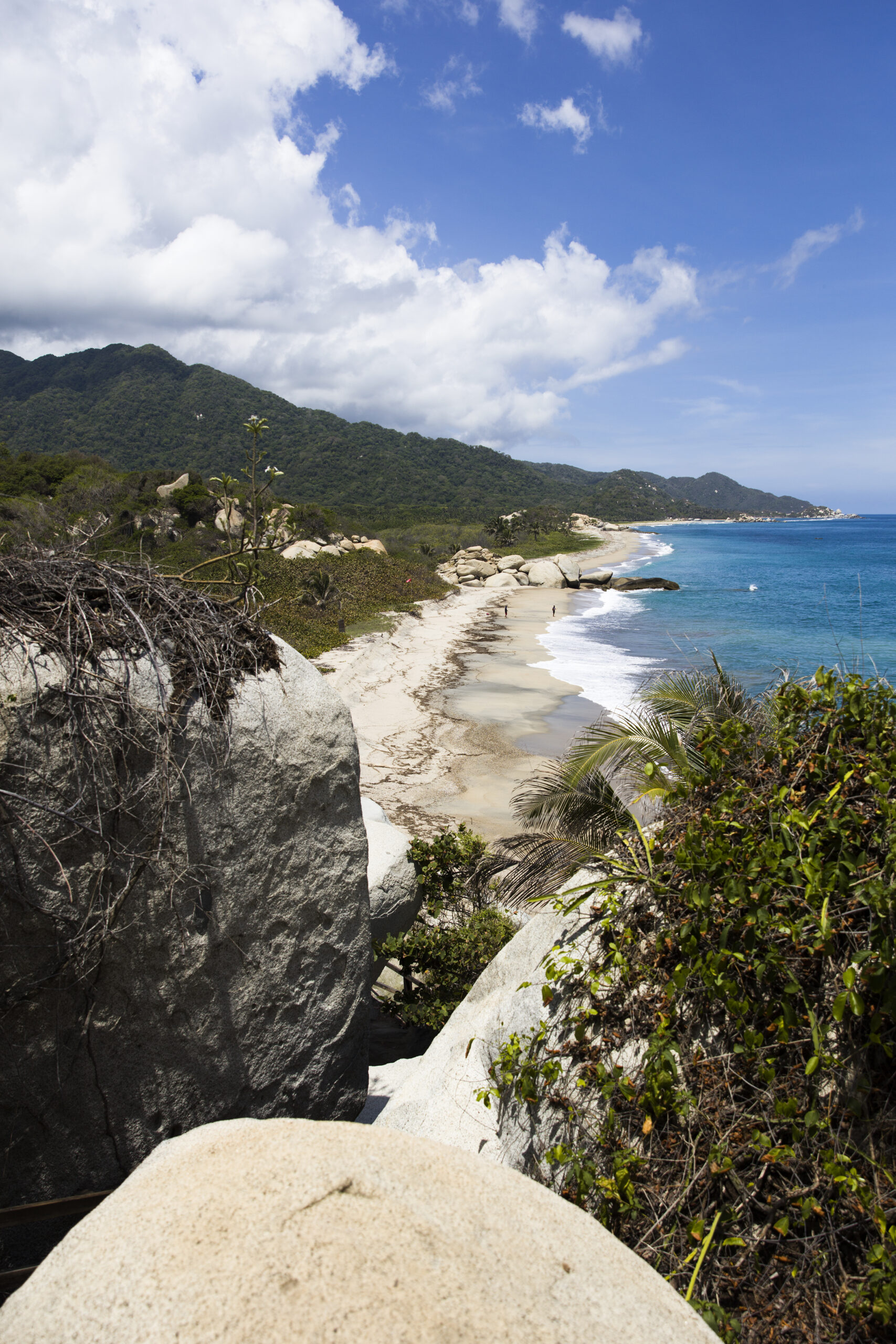


Santa Marta's beaches offer a variety of water activities, from jet skiing to kayaking and banana boat rides. There are excellent snorkeling and diving spots, as well as shore and charter fishing options from Santa Marta, Taganga, and Rodadero.
Every year, Colombia has numerous holidays. Santa Marta is a favorite destination for Colombians who want to go to the beach. Semana Santa, which is celebrated during Holy Week, is one of the busiest holidays. High season in Santa Marta is when classes end, from November to the end of January.
There really isn't a bad season in Santa Marta. That said, there are differences to keep in mind. December through April is the driest season in Santa Marta, although this season is also typically the windiest. May through November is the wettest and can be rainy, with the heaviest rainfall in September and October. Insects are generally few in Santa Marta, except during the months with the heaviest rainfall. In 2024, these were September through November.



